Why does my trip switch keep tripping?
A trip that won’t stay up is your distribution board doing its job. Here’s how to find the culprit safely — and when to stop and call us.
Read article →
A trip that won’t stay up is your distribution board doing its job. Here’s how to find the culprit safely — and when to stop and call us.
Read article →
Electrical problems rarely arrive without warning. These are the small signs worth taking seriously before they become big ones.
Read article →
Selling, buying or renovating? The Electrical Certificate of Compliance comes up every time. Here’s what it covers — and what it doesn’t.
Read article →
We’re often called in to rescue over-confident do-it-yourselves. Here’s where the line sits between a weekend job and a callout.
Read article →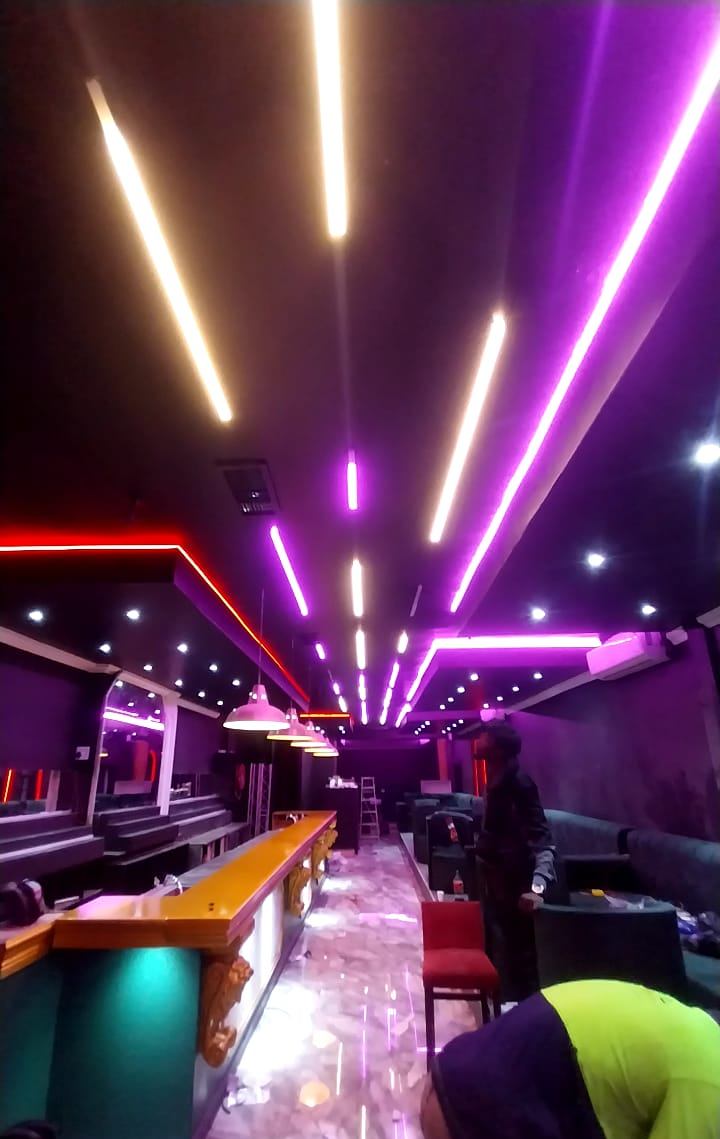
Commercial jobs run on budget and on time when the electrical planning starts early. A practical checklist before you sign the lease or book the movers.
Read article →A trip that won’t stay up is your distribution board doing its job. Here’s how to find the culprit safely — and when to stop and call us.
Few things are as frustrating as flicking the main switch back up, only for it to drop again a minute later. But a tripping switch is not the fault — it is the protection working. Something on that circuit is drawing too much current, or current is leaking somewhere it shouldn’t. The job is finding out which.
Open your distribution board (DB) and look before you touch anything. Most South African homes and small businesses have two kinds of protection:
Kettles, heaters, old fridges, washing machines and anything that lives outdoors are the usual offenders. Water getting into an outside plug or light fitting after rain is another classic, especially on Cape winter mornings.
Don’t hold a breaker up, tape it in place, or swap it for a bigger one “so it stops tripping”. The breaker is sized to protect the cable behind your walls. Oversizing it removes that protection and turns an annoying fault into a fire risk.
If you’ve worked through the steps above and the trip keeps coming back, send us a WhatsApp with a photo of your DB and a note of what’s tripping. We’re available for maintenance callouts 24 hours a day, 7 days a week.
Electrical problems rarely arrive without warning. These are the small signs worth taking seriously before they become big ones.
Most electrical fires and failures give off warning signs well in advance. The trouble is that they’re easy to get used to: the light that flickers, the plug you avoid because it’s “a bit loose”. If you recognise any of these, it’s worth getting an electrician to take a look.
Any smell of burning near a plug, switch, light or the DB board is the most urgent sign on this list. Switch that circuit off at the board and call for help.
A socket should never feel warm, and brown or black marks around the pins mean a connection has been overheating.
Dimming when the kettle or microwave switches on can mean a circuit is overloaded or a connection is loose somewhere along the line.
Wiring should be silent. Buzzing from a switch, plug or the DB board often points to arcing — electricity jumping across a poor connection.
An occasional trip is normal. Regular trips on the same circuit are telling you something. Here’s how to narrow it down.
A tingle when touching an appliance, tap or metal fitting means current is going somewhere it shouldn’t. Don’t ignore this one, especially around water.
Older installations may have old-style fuses, no earth leakage protection, or years of additions by different hands. Even without symptoms, an older system is worth having inspected — particularly before you add a big load like an inverter, a new stove or aircon.
We do site visits, so we can come and assess the problem in person rather than guessing over the phone.
Selling, buying or renovating? The Electrical Certificate of Compliance comes up every time. Here’s what it covers — and what it doesn’t.
If you own property in South Africa, sooner or later someone will ask for your electrical Certificate of Compliance, or CoC. It usually comes up during a sale, but it matters any time the electrical installation is changed.
A CoC is a certificate confirming that the fixed electrical installation of a property was inspected and tested and meets the national wiring standard, SANS 10142-1. It is required under the Electrical Installation Regulations of 2009, and it can only be issued by an electrician registered with the Department of Employment and Labour.
WhatsApp us to book a site visit and talk about getting your property inspected.
We’re often called in to rescue over-confident do-it-yourselves. Here’s where the line sits between a weekend job and a callout.
We like people who fix things themselves. But a good share of our callouts start with “I thought I’d just…”. Electrical mistakes aren’t like a crooked shelf: they can stay hidden in a wall for years before they cause a shock or a fire, and unauthorised changes can cause trouble with a future CoC or an insurance claim.
Our flyer says it best: we’re to the rescue of over-confident do-it-yourselves. We’d rather get the call before the drill comes out, though.
Commercial jobs run on budget and on time when the electrical planning starts early. A practical checklist before you sign the lease or book the movers.
From retail construction to moving an entire plant, the electrical work is usually on the critical path. Lights, tills, machines and cold rooms all wait on it. The projects that finish on budget and on time are the ones where the electrician is involved early, not when the shopfitters are already on site.
Make sure you receive a CoC for the new work, a labelled DB board, and a simple record of which circuit feeds what. The next person to work on the installation will thank you.
We can equip your project with the necessary tools, people and experience to get the job done. WhatsApp us to book a site visit.